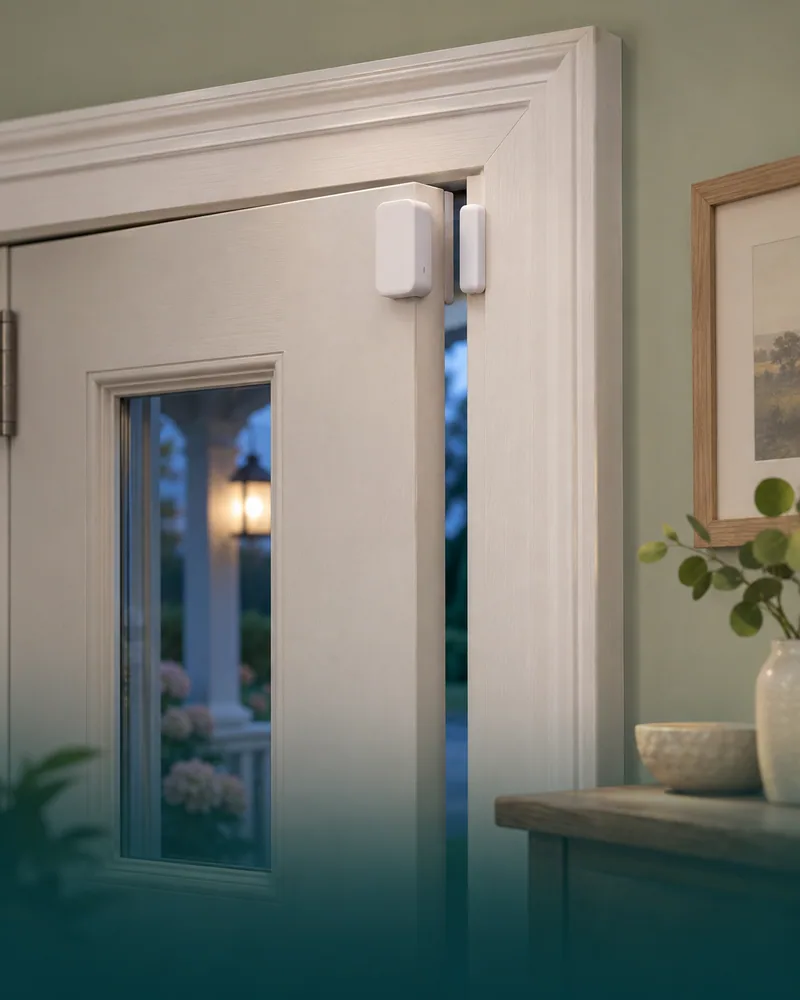
Know when a door opens
If someone goes out at night and doesn’t come back in, your team knows which home to check.


Sensors learn each person’s routine, with no cameras. When something’s off, your team knows right away, and which home needs help.
3:00 AM · Settled for the night
Medicaid waivers can fund remote support, but coverage differs by state. See where it’s being used and which programs include it.
In February 2025, 22% of Ohio waiver users used technology or virtual services. Remote support alone reached 5.1%.
Door and motion sensors show changes in a person’s routine. Call buttons let them ask for help. No cameras.
If someone goes out at night and doesn’t come back in, your team knows which home to check.
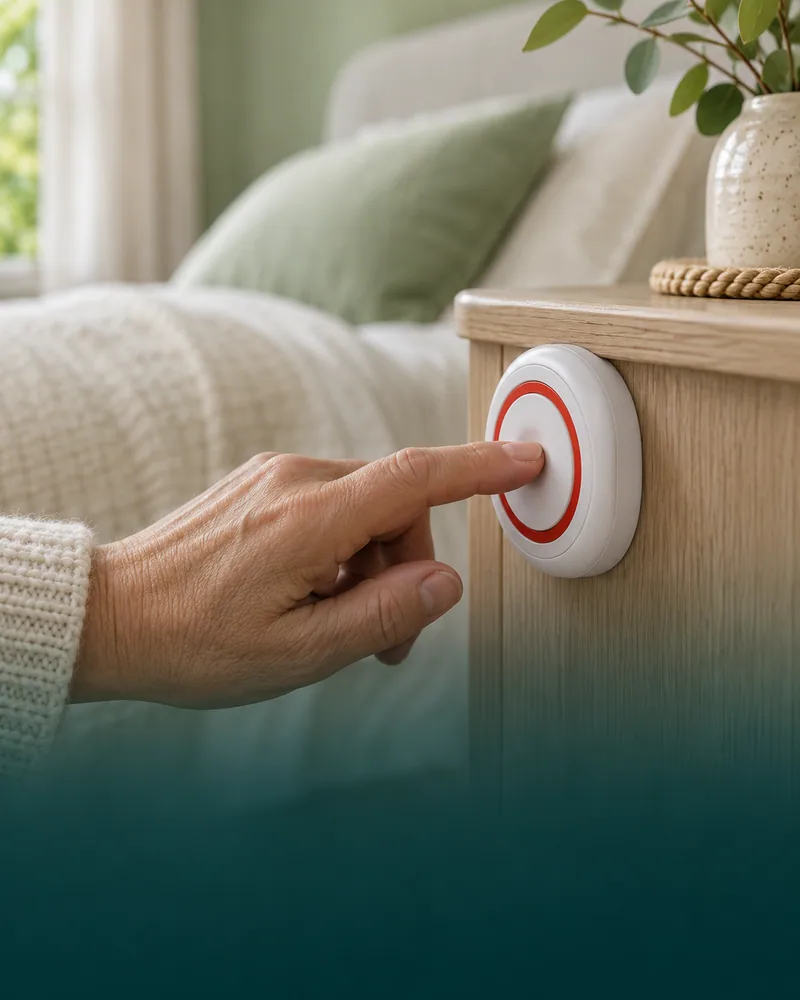
A button by the bed or in the bathroom lets the person ask for help when they need it.
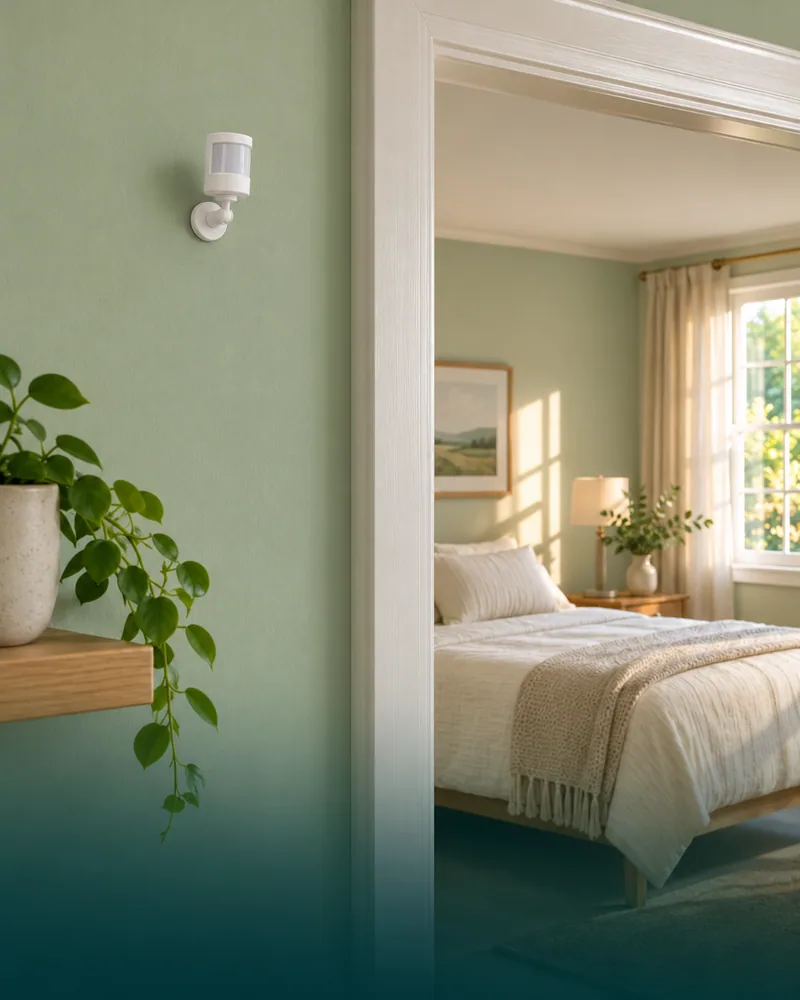
If someone is usually up by seven and there’s still no movement at nine, your team can check in.
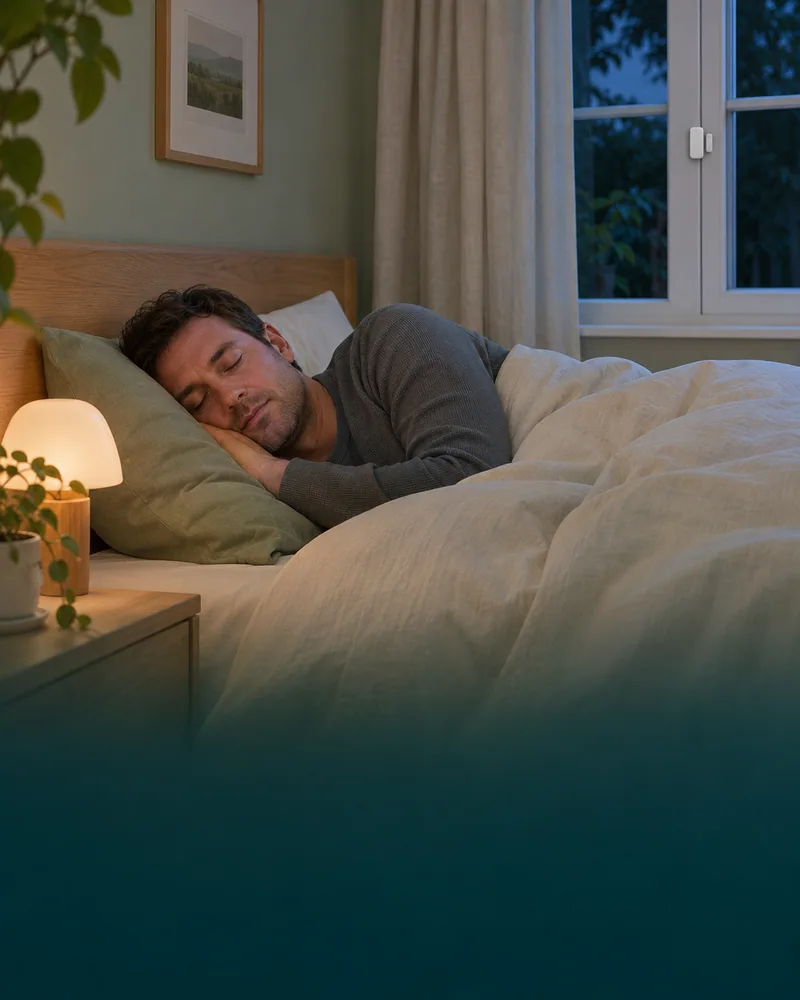
When everything follows the person’s routine, the screen stays quiet. Your team can focus on the homes that need them.
Start with your homes and nightly hours. See what remote support could bring in after your monitoring team and Guardian are paid.
Check your inputs
Update the highlighted fields to see your estimate.Estimated monthly earnings
$27,057After staff and Guardian
Before backup, payroll costs and overhead.
Guardian estimate: $225 / home / monthSensors and software.
Based on the Hilliard presentation: 30 nights a month, one billable site per home, and all entered hours approved and delivered. Ohio’s paid-backup rate is $3.53 per 15 minutes per site. The $16.77 hourly wage is the Columbus median for home health aides, before employer payroll costs. Staff are rounded up to whole people; eight homes per staff member is a planning assumption, not a required staffing ratio.
The estimate uses $225 per home per month for Guardian’s sensors and software: the midpoint of the Hilliard presentation’s $150–$300 planning range, not a quote. Monthly earnings are revenue minus monitoring wages and Guardian. Backup, employer payroll costs, setup and overhead are excluded. Rates and authorized hours vary by state and individual plan.
Keep alerts, support plans and response records together. We’ll review your program’s requirements with you before you get started.
| What your team needs | How Guardian helps |
|---|---|
| Live monitoring | See alerts as they happen, with the person’s support plan close at hand. |
| Secure access | Encrypted data, with access based on each staff member’s role. |
| Consent records | Keep each person’s consent record with their profile. |
| Equipment checks | See when a sensor or home goes offline, so your team can follow up. |
| Backup response | Keep a record of who was contacted, when help arrived and what happened. |
| Clear documentation | Find alert and response history in one place, with records you can export. |
| Privacy at home | Sensors report activity without recording video or sound. |
No. Motion, door and bed sensors report activity without recording images or sound. The setup is agreed with each person and their support team, with consent recorded in their profile.
Your awake monitoring team receives the alert and follows the person’s support plan, including contacting backup when needed. Guardian provides the sensors and software; your agency provides the staff.
For some people and some hours, it can be an option. That depends on the person’s needs, consent and approved support plan. Agree on monitoring and backup arrangements before changing their support.
Monitoring needs power and an internet connection. Connection alerts help your team spot problems, and your backup plan should cover how to check on the person and arrange in-person support during an outage.
We walk your staff through the dashboard, alerts and response records during setup, so they know what to do when a notification comes in.
It depends on the number of homes and the sensors each person needs. Use the calculator above for a planning estimate, then talk with us about a price for your setup.

Tell us where you’re starting. We’ll review your overnight support needs with you, then put together a sensor setup and price for your homes.
We’ll email you to arrange a conversation about your homes and overnight support.
Then we’ll put together a sensor setup and price for your team.
Guardian started in Europe and runs in Estonian special care and home care today, with EU data hosting and GDPR built in.