

Know where to focus at night.
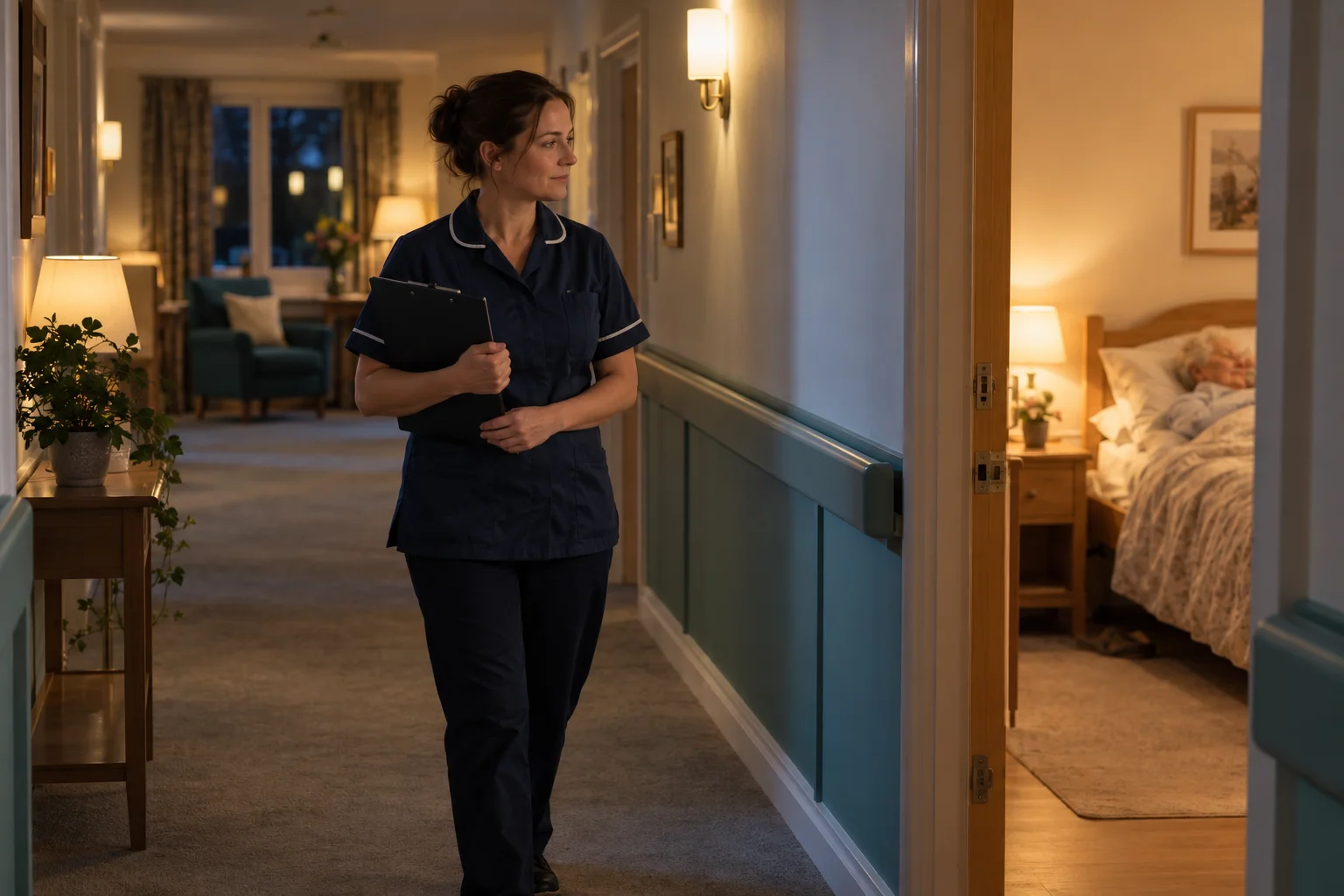
See room activity and door events to help guide overnight checks.


Guardian for assisted living
Ten capabilities on the same sensors and the same screen. Nothing here needs a camera in a resident’s room.
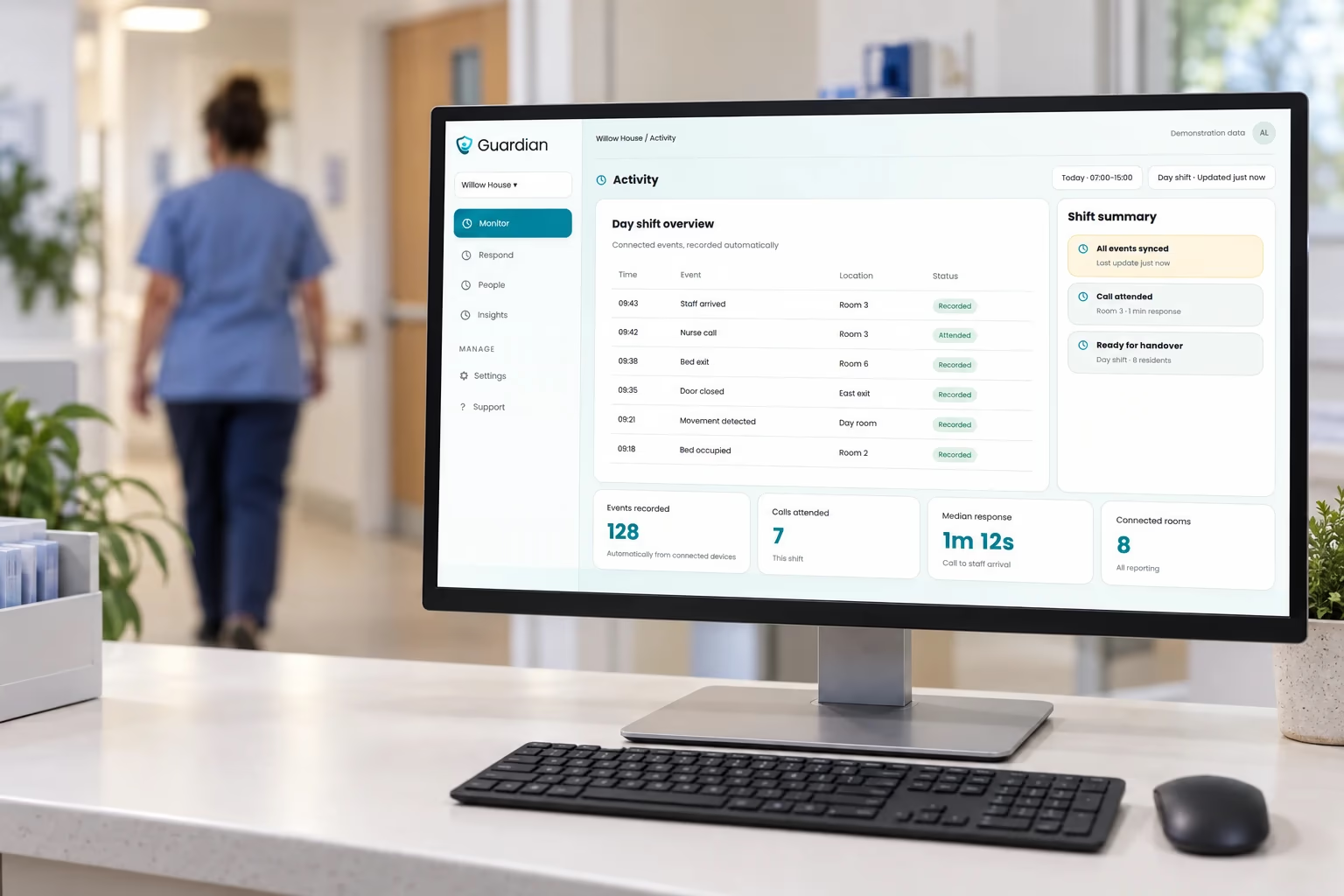
Every sensor event is written into the care log as it happens, so nobody reconstructs the night from memory at 07:00.
When a call comes in you see who, where, and who is closest, on the actual floor plan.
A door opens at 03:00 and the right person knows in seconds, instead of at the morning round.
Bed mats, wristbands and radar catch falls and immobility, with a confirmation window that keeps false alarms down.
One button reaches whoever is nearest, with the room already on their screen.
Hoists, pumps and chairs stop disappearing. Every tagged asset has a last-seen room and a time.
Occupancy and bed exit with no camera and nothing the resident has to wear or remember.
Movement and presence in bathrooms and private spaces, where a camera is never an option.
The ordinary rhythm of a room, so a change in pattern surfaces before it becomes an incident.
Risk scoring and trends across people, so the picture is not only what happened last night.
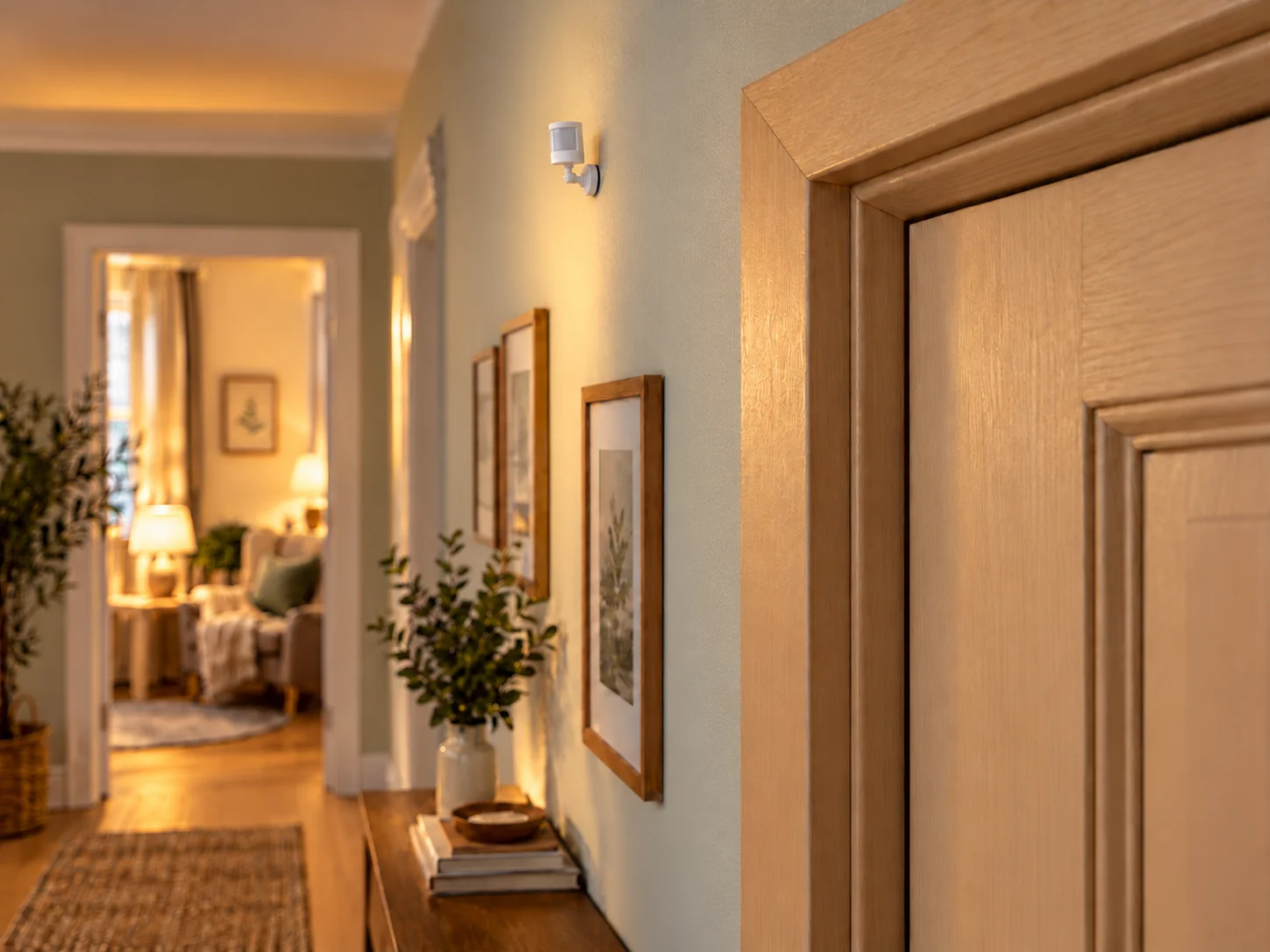
At Hoolekandeteenused, 196 activity and door sensors give care teams visibility into resident movement and night-time events. The aim is to focus attention where it is needed instead of checking every room by routine.
See room activity and door events to help guide overnight checks.
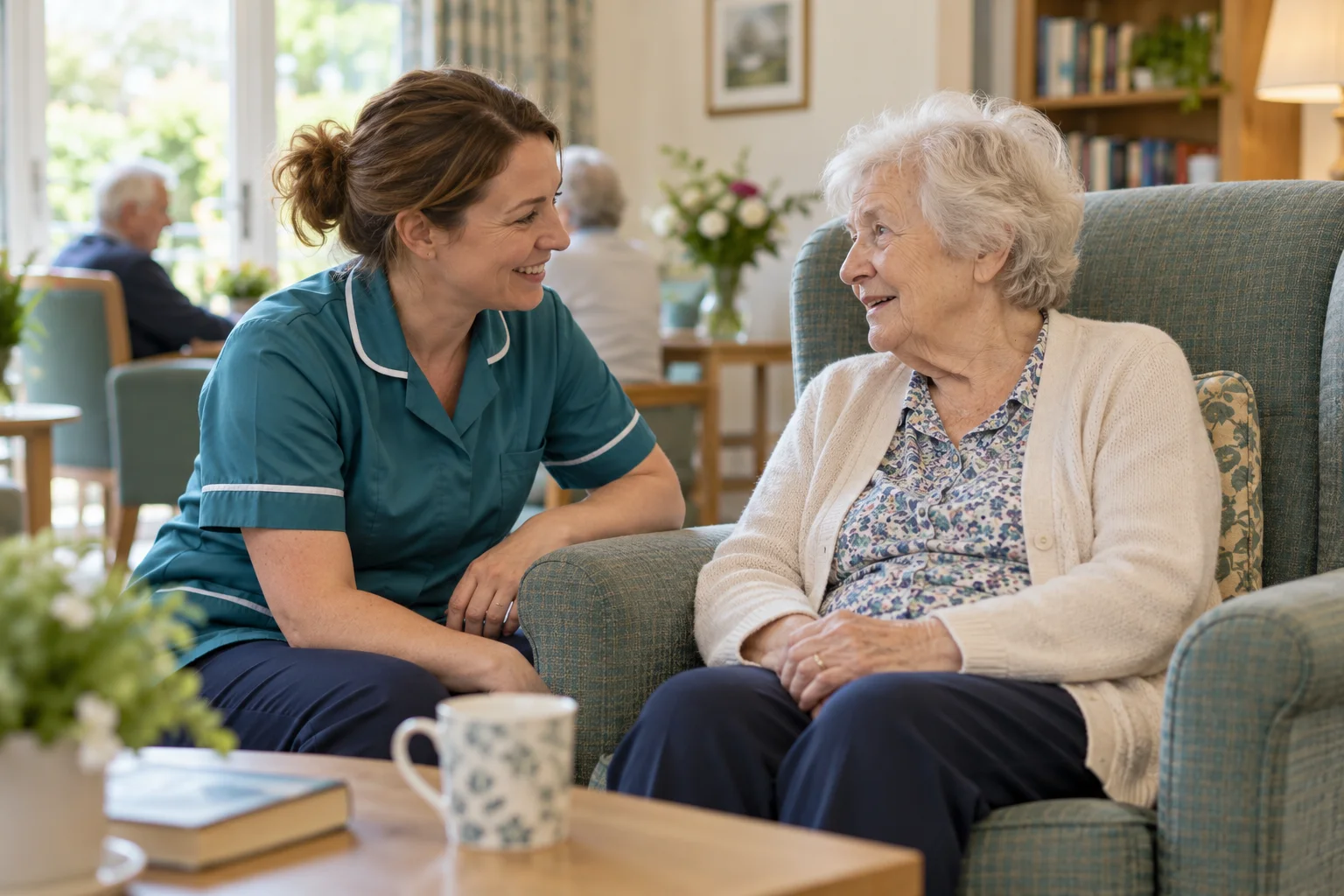
Connect resident calls with room location so staff know where to respond.
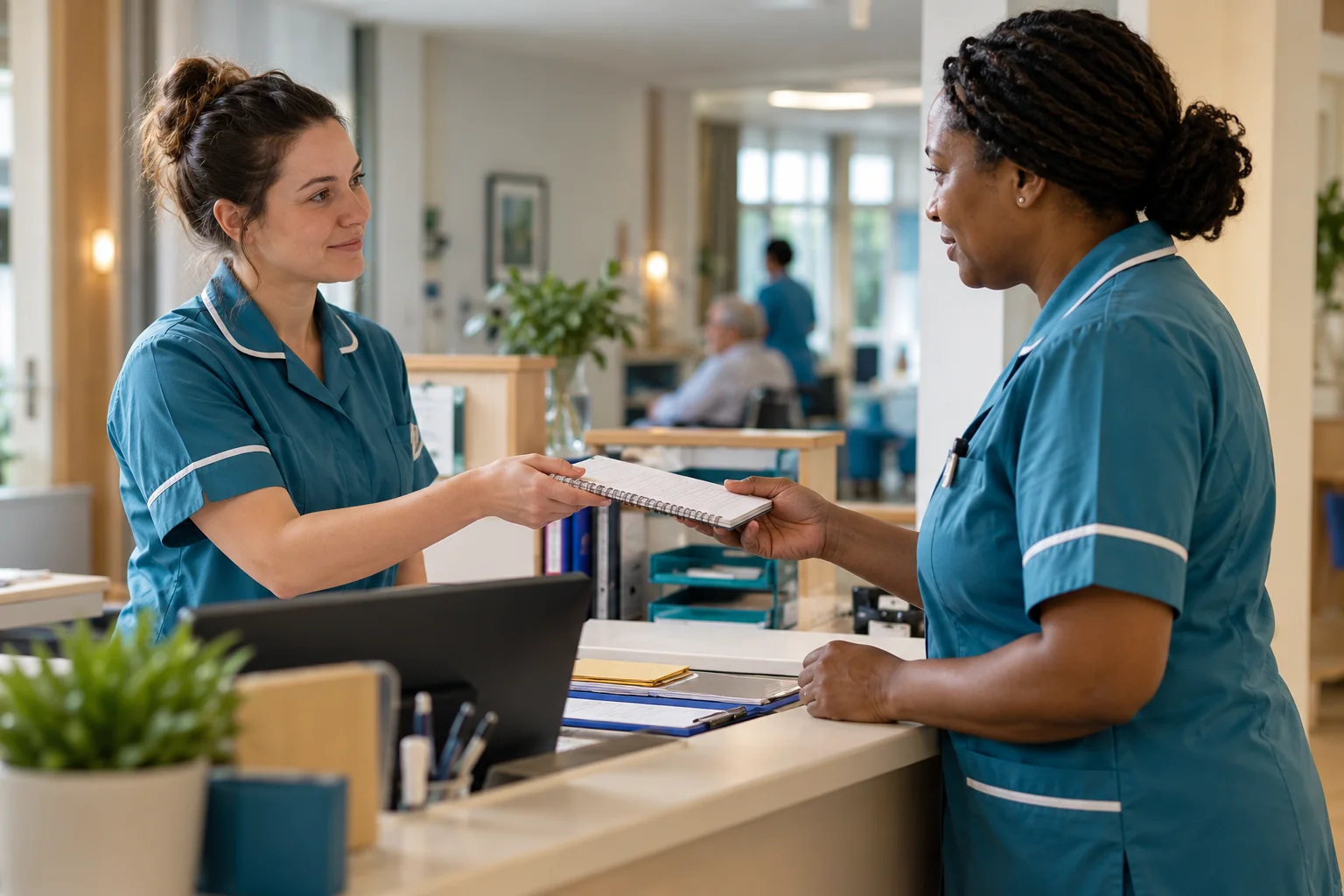
Give the next team a clear view of overnight activity and follow-up needs.
Choose one unit and the workflow that takes time away from residents. Agree on the measures, test Guardian in daily care, and review the results with your team.
Plan a care-home pilot